
How to Build a Personal Brand: A Step-by-Step Guide for 2026
This article provides a step-by-step guide on building a personal brand in 2026, emphasizing reputation control, strategic online presence, and long-term career growth through authenticity and consistency.
If you’ve been scrolling through LinkedIn or keeping up with marketing blogs lately, you’ve probably heard the same advice on repeat: you need to figure out how to build a personal brand. But let’s be real—most of the advice out there is either too vague or way too overwhelming.
The truth is, building a personal brand isn't about becoming an influencer or posting selfies with motivational quotes. It’s about taking control of your reputation and making sure that when people Google your name, they find exactly what you want them to find.
Whether you're looking to climb the corporate ladder, attract high-ticket clients, or simply establish yourself as an expert in your niche, your personal brand is your most valuable asset. In this guide, we’re going to walk through the nuts and bolts of how to build a personal brand that actually works—without the fluff.
What Is a Personal Brand?
Before we dive into the strategy, we need to get on the same page about what a personal brand actually is. Contrary to popular belief, it’s not just a logo or a catchy tagline. Jeff Bezos famously said that your personal brand is what people say about you when you leave the room. It’s the sum of your reputation, your expertise, and the way you make others feel.
A personal brand is essentially the unique combination of skills, experiences, and personality that you want the world to see. It’s the story you tell, and more importantly, the story that others tell about you. It has three core characteristics: it must be unique (your specific point of view), relevant (it connects with your audience’s needs), and consistent (your actions match your words).
Why Do We Need a Personal Brand?
You might be thinking, "I'm not a CEO or a public figure—why does this matter to me?" The reality is that in a crowded digital landscape, how to build a personal brand has shifted from a "nice-to-have" to a career necessity for professionals at every level. It's not about ego; it's about survival and opportunity in an increasingly competitive world.
1. It Builds Trust Before You Speak a Word
Trust is the scarcest commodity online. When someone lands on your profile, they're subconsciously asking: "Is this person credible?" A strong personal brand answers that question before they ever message you. If you've consistently shared valuable insights, you've already done the selling. They feel like they know you, and that familiarity is what turns strangers into clients.
2. It Future-Proofs Your Career
Loyalty from corporations is a myth. Layoffs happen. Industries change. Your job title belongs to your employer, but your reputation belongs to you. A personal brand is the only asset you fully own. If you lost your job tomorrow, would opportunities find you? Or would you be starting from zero? People with strong brands don't apply for jobs—jobs come to them.
3. It Lets You Charge a Premium
Commodities compete on price. Brands compete on value. If you're interchangeable with everyone else in your field, the only way to win is to be the cheapest. A personal brand makes you the only option for a specific problem. Clients aren't paying for your time; they're paying for you. And there's only one of you.
4. It Attracts Hidden Opportunities
When you show up consistently, you never know who's watching. A future business partner might be lurking in your DMs. A journalist might be looking for a quote. These aren't coincidences—they're the result of visibility. Stay silent, and no one knows you exist. Build a brand, and you put a beacon out into the world.
5. It Gives You Control of Your Narrative
If you don't tell your own story, someone else will. Your reputation is being shaped whether you participate or not. Maybe it's an old social media post. Maybe it's just the absence of information. Learning how to build a personal brand means taking the wheel. You decide what people find when they Google your name.
How to Build a Personal Brand: Step by Step
Now, let’s get into the actionable part. Here is exactly how to build a personal brand from the ground up. Skip the "get rich quick" mentality—this is about long-term, sustainable growth.
Step 1: Conduct a Personal Audit (Know Thyself)
Before you post a single thing online, you need to get clear on the raw materials you are working with. You can’t build a house without an inventory of bricks.
Grab a notebook or open a doc and answer these three sets of questions:
-
Reflection: What are the 1-2 topics I genuinely never get tired of talking about? What do people consistently ask me for help with? What makes me come alive?
-
Current Perception: How do people currently experience me? Am I seen as the "creative problem solver," the "reliable executor," or the "big picture thinker"? You can even ask a few trusted colleagues or mentors to describe you in three words. This feedback is pure gold, even if it stings a little.
-
Future Goals: Where do I want to be in three years? If you are aiming for a role in data science, your brand should hint at analytical rigor. If you want to be a creative director, your brand should feel visually oriented and innovative. Your brand is a bridge between who you are and where you want to go.
Step 2: Define Your Niche and Value Proposition
Once you know your raw materials, you need to carve out your lane. Trying to appeal to everyone is the fastest way to appeal to no one.
You need to identify your differentiation. Ask yourself: What unique blend of skills, experiences, and perspective do I bring that no one else can? Perhaps you are a software engineer with a background in psychology. That mix sets you apart when designing user-centric products.
Step 3: Optimize Your Digital Home Base
In 2026, your LinkedIn profile is your digital headquarters. It’s often the first place people land when they search for you.
-
Headline: Ditch the generic "Open to Work" or "Marketing Professional." Use this space to state your value. Think: "Helping B2B SaaS companies scale through data-driven content strategies".
-
About Section: Don't just list your job history. Tell a story. Why did you choose your path? What problems do you love solving? Use keywords relevant to your industry so you can be found in searches.
-
Visual Consistency: Use a professional, high-quality headshot. If you have a personal website or portfolio, link to it. This is where you can drive traffic to a central hub that houses all your work. For this, you need a simple, effective tool to house all your important links.
Step 4: Create a "Success Inventory"
One of the biggest hurdles in personal branding is that people forget what they have done. Start a running document—a "Success Inventory"—right now.
In this doc, record:
-
Positive feedback from bosses or clients.
-
Metrics from successful projects (e.g., "Increased traffic by 40%").
-
Complex problems you solved.
-
Skills you learned or certifications you earned.
This inventory becomes your content fuel. When it’s time to write a post or update your resume, you won't stare at a blank page; you'll pull from this list.
Step 5: Share Your Perspective (The 1/3 Rule)
You don't need to post every day. But you need to be present. A sustainable way to do this is to follow the "rule of thirds" for the content you share:
-
1/3 about your work: Share a lesson learned from a recent project, a win for your team, or a case study.
-
1/3 about your community: Amplify others' work, share job postings for your network, or comment on industry news.
-
1/3 personal: This doesn't mean posting your lunch. It means sharing your values. What motivates you? What book are you reading? This humanizes you.
Engagement is just as important as posting. Answer comments, join relevant discussions, and send DMs to people whose work you admire. Social media is a conversation, not a billboard.
Why Use Link in Bio Tools for Personal Branding
As you start sharing content across different platforms, you’ll run into a common annoyance: platforms like Instagram or TikTok only let you have one clickable link in your bio. This is a problem if you want to direct people to your newsletter, your latest blog post, your portfolio, and your consulting waitlist all at once.
This is where a Link in Bio tool becomes essential for building a personal brand effectively. It acts as your digital storefront, housing everything important in one place. For example, Biovelt is an excellent tool for this purpose. It allows you to add unlimited links to your profile, which is perfect if you have multiple projects or resources to share.
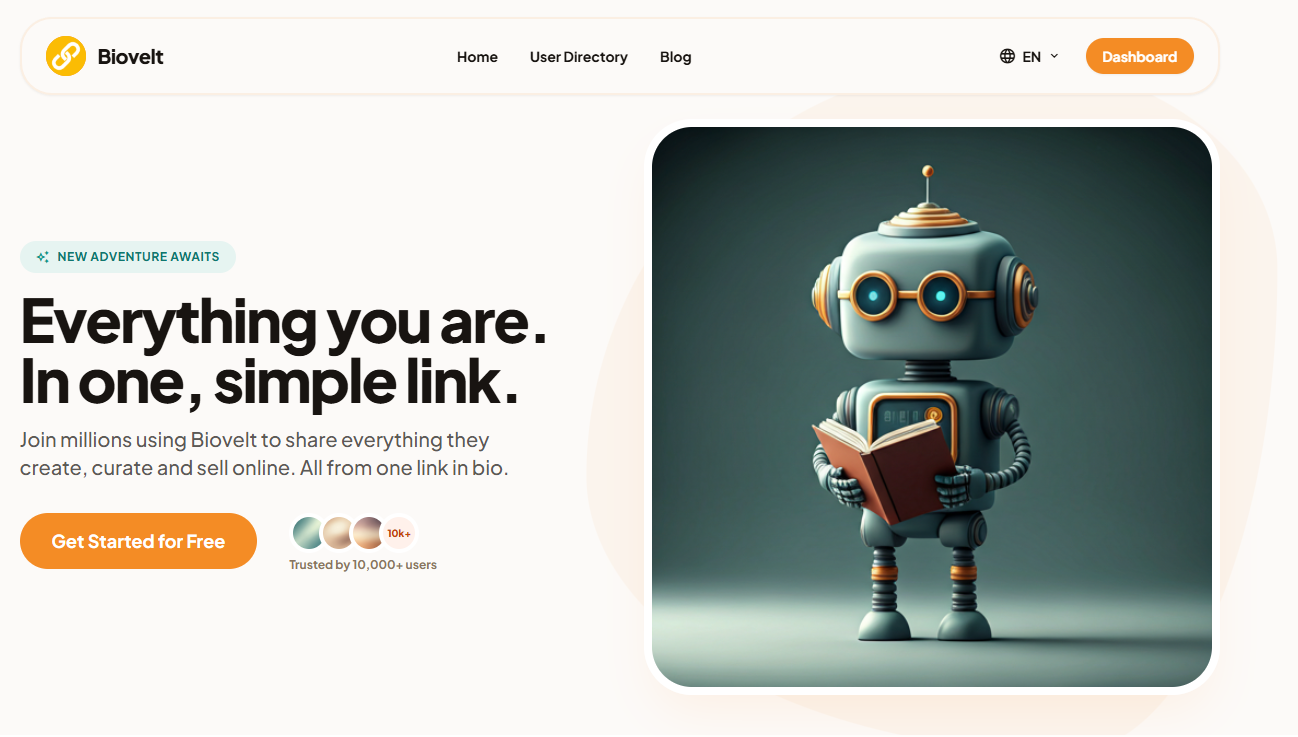
What makes it stand out is that it’s completely free and incredibly easy to set up. You can choose from various themes to make your page look professional, and it even offers link tracking so you can see in real-time which links your audience is clicking on the most. It’s a simple way to look polished without spending a dime.
Which Social Media Platform Is Best for Personal Branding?
A common trap in building a personal brand is trying to be everywhere at once. You don’t need to be on every platform; you need to be on the right platform where your target audience hangs out.
-
LinkedIn: Still the heavyweight champion for B2B professionals, founders, and corporate climbers. It’s where people go to validate your credentials.
-
TikTok/Instagram: Ideal for visual storytellers, coaches, and creatives targeting Gen Z and Millennials. The algorithm here favors personality and trends.
-
YouTube: The second-largest search engine in the world. If you can teach concepts in depth, YouTube is where you build long-term authority.
-
X (Twitter): Great for real-time commentary and building a following through text-based wit and wisdom.
Pick one primary channel to master. Post consistently there for 90 days before even thinking about expanding to another.
How to Maintain and Strengthen Your Personal Brand
Building the brand is phase one. Keeping it alive is where most people drop the ball. A personal brand isn't a project with an end date; it’s a living thing that needs daily attention.
1. Engage, Don't Just Broadcast
Social media is called social for a reason. If you only post your own content and never reply to comments or engage with others, your growth will stall. Spend time in the comments of big accounts in your niche. Add value to the conversation. The magic happens in the replies and the DMs.
2. Stay Consistent
Consistency doesn’t mean posting five times a day. It means showing up regularly with the same tone, quality, and values. Your audience should know what to expect from you. If you suddenly switch from serious finance advice to memes about cats, you’ll confuse the people who followed you for your expertise.
3. Audit Your Brand Regularly
Set a reminder every six months to Google yourself. Or, use a tool like Perplexity.ai and ask it "What is [your name]’s personal brand?" to see how the AI perceives you. Check if your messaging still aligns with your career goals. As you grow and evolve, your brand should too.
FAQs about How to Build a Personal Brand
1. How long does it take to build a personal brand?
There’s no magic number, but generally, if you are consistent for 6-12 months, you will start seeing significant traction. It’s a compounding asset.
2. Do I need to be an expert to start?
You just need to be a few steps ahead of your audience. Share what you are learning as you learn it. Documenting your journey is often more relatable than pretending to be a know-it-all.
3. Can I build a personal brand while working a 9-5?
Absolutely. In fact, many employers encourage it because it brings visibility to the company. Just check your contract and ensure you aren’t violating any social media policies.
4. Is a personal brand only for extroverts?
Not at all. Introverts often make excellent personal brands because they tend to be better listeners and deeper thinkers. You can build a brand through writing, newsletters, or one-on-one interactions just as easily as through video.
Conclusion on How to Build a Personal Brand
Learning how to build a personal brand is no longer a "nice-to-have"—it’s the new normal. In a world driven by AI and algorithms, people still crave human connection. They want to do business with people they know, like, and trust.
Start by defining who you are and who you want to help. Clean up your online presence, pick one platform to focus on, and start sharing your real experiences. Use tools like Biovelt to keep your links organized and professional.
Remember, your brand is the sum of every interaction, every post, and every comment you make. Make them count.